Find out if microneedling is right for you. This guide covers who microneedling is for, how it works, and what to expect during your appointment.

You look in the mirror and you see it: lines that were not there before, old acne marks and your skin looks unusually dry.
So you start looking for answers. That’s when you hear about microneedling – and people say it works. But you still wonder if it’s right for you.
In this guide, you will learn what is microneedling, who microneedling is for, and what a real treatment feels like.

What is Microneedling?
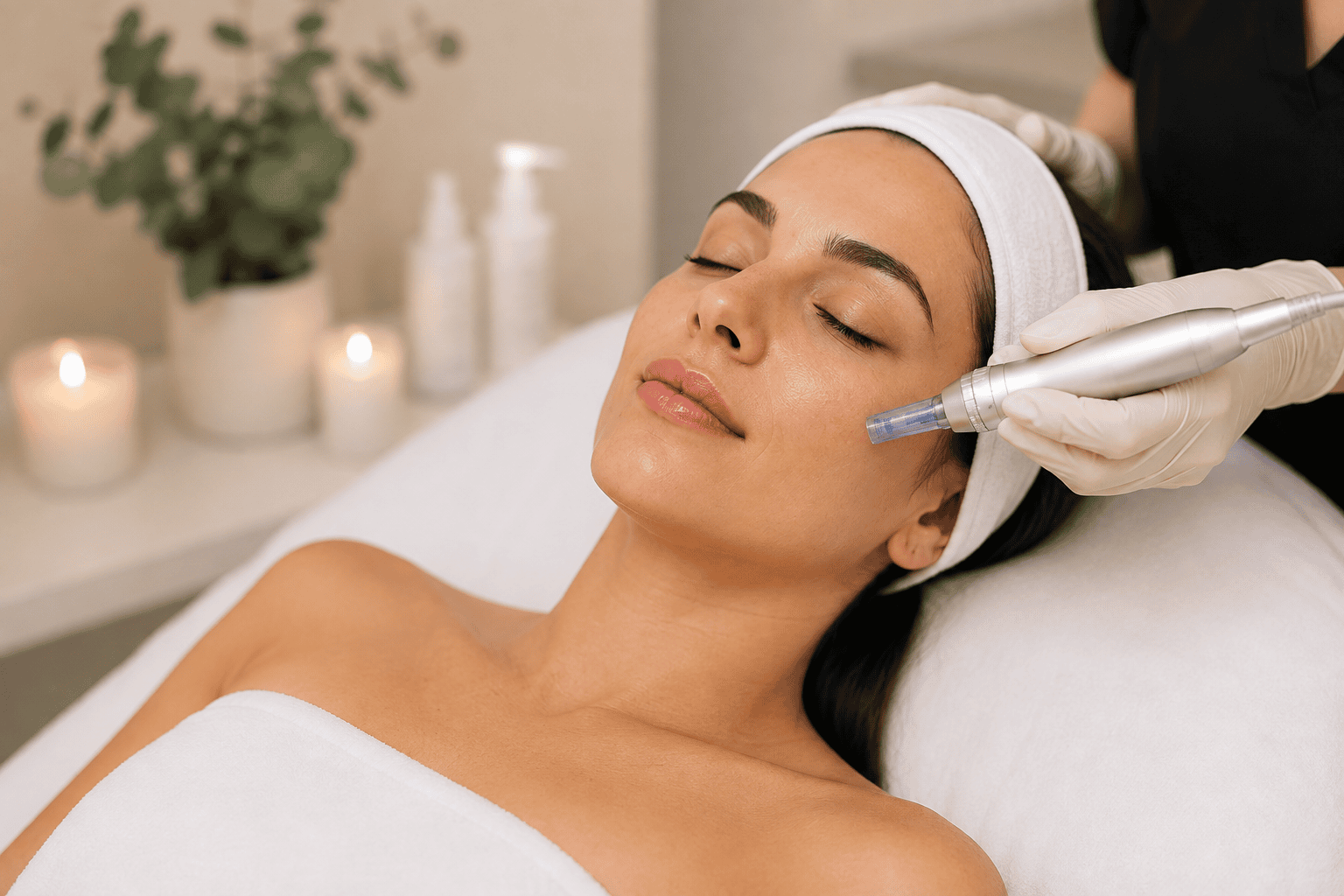
Microneedling is a professional skin treatment that uses tiny needles to create small punctures in the top layer of your skin. This triggers your skin’s natural healing response. As it repairs itself, it can look smoother, firmer, and more even.
Experts call this “collagen induction”, a process that helps your skin rebuild structure and elasticity from the inside out.
Microneedling is not a basic facial. It is a real treatment, and clean tools and proper training matter. Home rollers carry real risk and can spread bacteria and cause infection.
Who Microneedling is for
Microneedling is ideal for people who are looking to improve their skin’s texture and tone without the recovery time of more intensive treatments like laser or chemical peels.
You may be a good candidate if you want to address:
- Acne scars and post-breakout marks
- Fine lines and early wrinkles
- Rough texture and enlarged pores
- Mild dark spots from sun exposure
Microneedling works on most skin tones, which makes it a more flexible option than some other treatments like laser. If you’re looking for more guidance on who microneedling is for, contact the expert team at Bare Beauty.
How Many Microneedling Sessions Do You Need?
Most people need between three and six sessions, spaced four to six weeks apart. The exact number depends on your skin concern and how your skin responds to treatment.
Microneedling is a slow builder. You may notice a fresher look within a week or two, but meaningful change takes time. Most people see clearer results after a few months, particularly with scars and fine lines.
Is Microneedling Good For Your Skin?
Yes, microneedling can be good for your skin when it’s done by a trained professional and proper aftercare is followed. The goal isn’t to damage your skin but rather, to trigger a controlled healing response that encourages the production of collagen and cell renewal.
Done right, it is a well-tolerated treatment with a strong safety record across different skin types and tones.
Let’s look at specific skin concerns, like acne scars, wrinkles, and more, to see whether microneedling could be the right solution for you.
Does Microneedling Help Acne?
Microneedling can help reduce acne scars and post-breakout marks, but only after the acne has calmed down. It is not suitable for active acne that is inflamed or sore. If you have active breakouts, a provider will typically treat those first before using microneedling to address the marks left behind.
Does Microneedling Help With Wrinkles?
Yes, microneedling can help with wrinkles, but with realistic expectations. Microneedling works best on fine lines like crow’s feet, early forehead lines, and the small creases around the mouth. By stimulating collagen production, it gradually softens these lines over a series of treatments.
It is not a fix for deep folds or severe sagging. For early lines, microneedling is one of the more effective ways to slow that process down.
What Happens During A Microneedling Session
Here’s what your microneedling session can look like.
Ready to Improve Your Skin?
Find out if microneedling is the right treatment for your skin goals with a free consultation.
Before the treatment
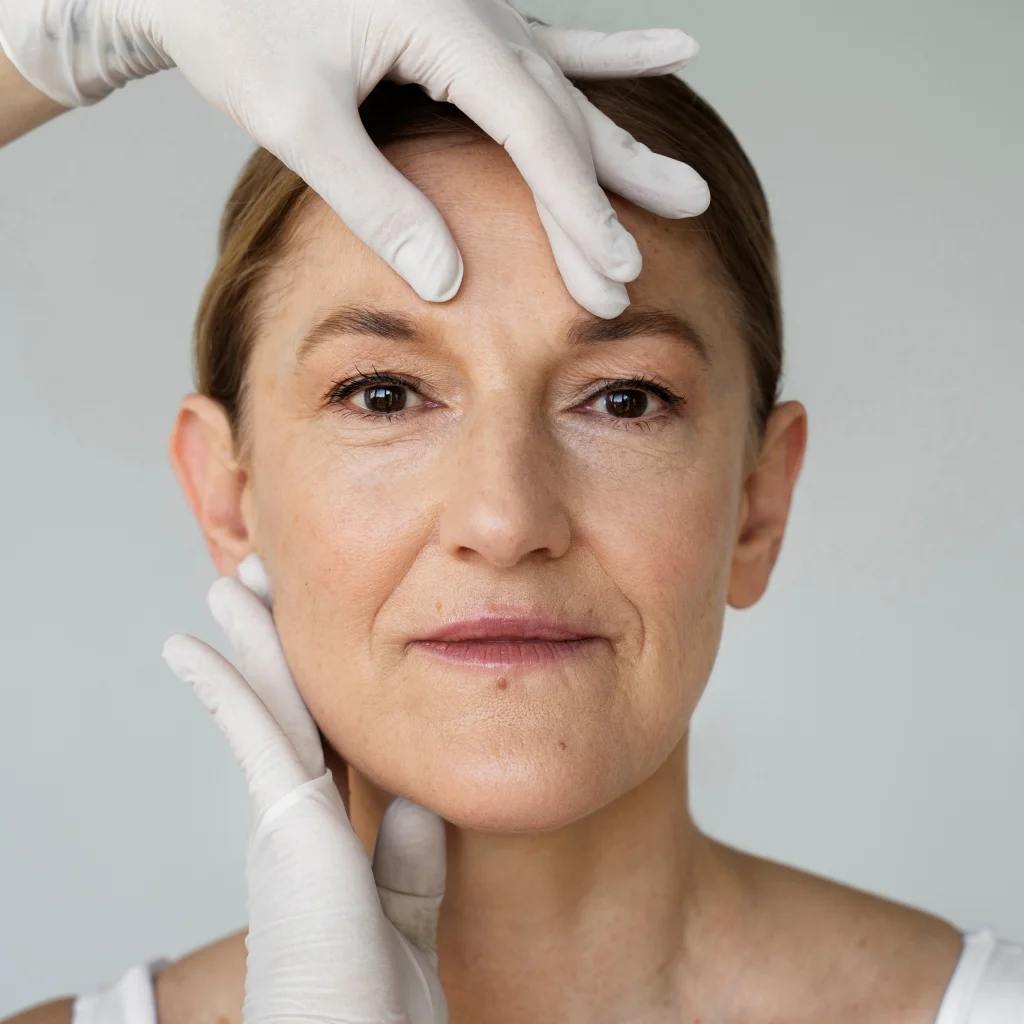
Your provider will ask about your skin concerns and assess your skin. They may ask you to pause strong actives like retinol or acids in the days leading up to your appointment. You’ll also have to avoid sun exposure. The calmer your skin is going in, the better it heals.
During the treatment
Your skin is cleaned, then a numbing cream is applied. Once it takes effect, your provider moves the tool across your skin in a controlled pattern.
It can feel like a mild scratching sensation that’s uncomfortable for some people, but not painful. Some redness and mild swelling afterward is completely normal.
After the treatment
Right after a microneedling treatment, your skin may look red, like a sunburn. It can feel warm or tight. This is when aftercare matters most.
For the first day or two:
- Keep the area clean
- Do not pick or scrub
- Avoid heavy sweat if you can
- Use gentle products only
Sunscreen is essential. Skin that is freshly treated is more sensitive to the sun and can darken or discolor without protection.
Common Microneedling Side Effects To Know
Microneedling can make your skin red for a day or two. Some people also get mild swelling, dryness, or light peeling. That is part of healing.
Call a doctor if you get strong pain, thick swelling, fever, or oozing, because that can be a sign of infection.
When To Wait Or Skip A Microneedling Treatment
Microneedling is not right for everyone, and timing matters.
You should wait if you have an active skin infection, a rash, a cold sore, or a fresh sunburn in the treatment area. If you scar easily or have a history of keloids, tell your provider before booking, as microneedling may not be suitable for you.
Conditions like eczema or psoriasis in the treatment area may also require a different approach. And if you are currently taking or have recently stopped a strong acne medication like isotretinoin, do not assume it is safe to proceed. Your provider will advise you on how long to wait.
Choosing The Right Microneedling Service
Microneedling can deliver real results, but the provider you choose matters. Clean tools, proper training, and a treatment plan built around your skin make all the difference.
At Bare Beauty Laser & Aesthetics, our team takes the time to understand your skin concerns and guide you through every step. If you’re ready to find out whether microneedling is right for you, book a consultation today.
FAQs on Professional Teeth Whitening vs Strips
Microneedling raises a lot of questions, from how much it hurts to whether it will actually work for your skin. Here are the answers to the ones people ask most.
Does Microneedling work for hair loss?
Microneedling can help, but it’s not a standalone solution. Some clinics use scalp microneedling to stimulate hair follicles, often alongside treatments like minoxidil. Early research is promising, particularly for androgenic alopecia, but results vary.
Because hair loss has many possible causes, it is worth getting a proper diagnosis before committing to treatment. A dermatologist can tell you whether microneedling makes sense for your specific situation.
Can you do Microneedling while pregnant?
“Is microneedling safe during pregnancy?” is one of the most common questions skin providers hear. The short answer is, most will ask you to wait.
There is not enough research to confirm microneedling is safe during pregnancy, and most providers prefer to err on the side of caution. Your skin also changes significantly during pregnancy. This could affect how your skin responds to treatment and may increase sensitivity.
If you are pregnant and concerned about your skin, speak with your OB-GYN before booking any treatment.
How to make Microneedling results last?
The way you care for your skin between sessions has a direct impact on your results. Keep your routine simple for at least a week after each treatment. Avoid strong activities like retinol or acids until your provider says it is safe to reintroduce them. Starting too soon can irritate healing skin and slow your progress.
Beyond that, stay hydrated, get enough sleep, wear sunscreen every day, and avoid smoking. Collagen breaks down faster in skin that is not well looked after, which works against everything microneedling is trying to do.
Book a Consultation
It’s easy and free!